What Makes a Good City Walking Shoe?

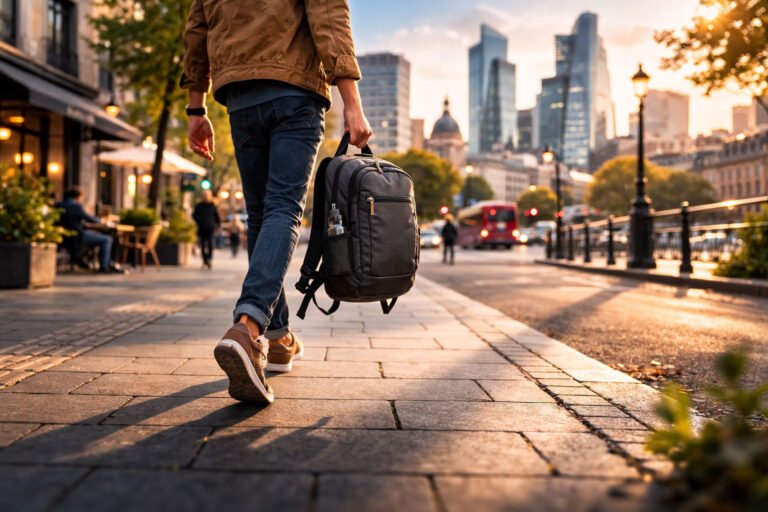
Walking is one of the best ways to explore a city. Many travellers cover 10–15 km per day while sightseeing, often without noticing the distance. On hard urban surfaces like concrete and pavement, the right shoes make a huge difference to comfort and fatigue.
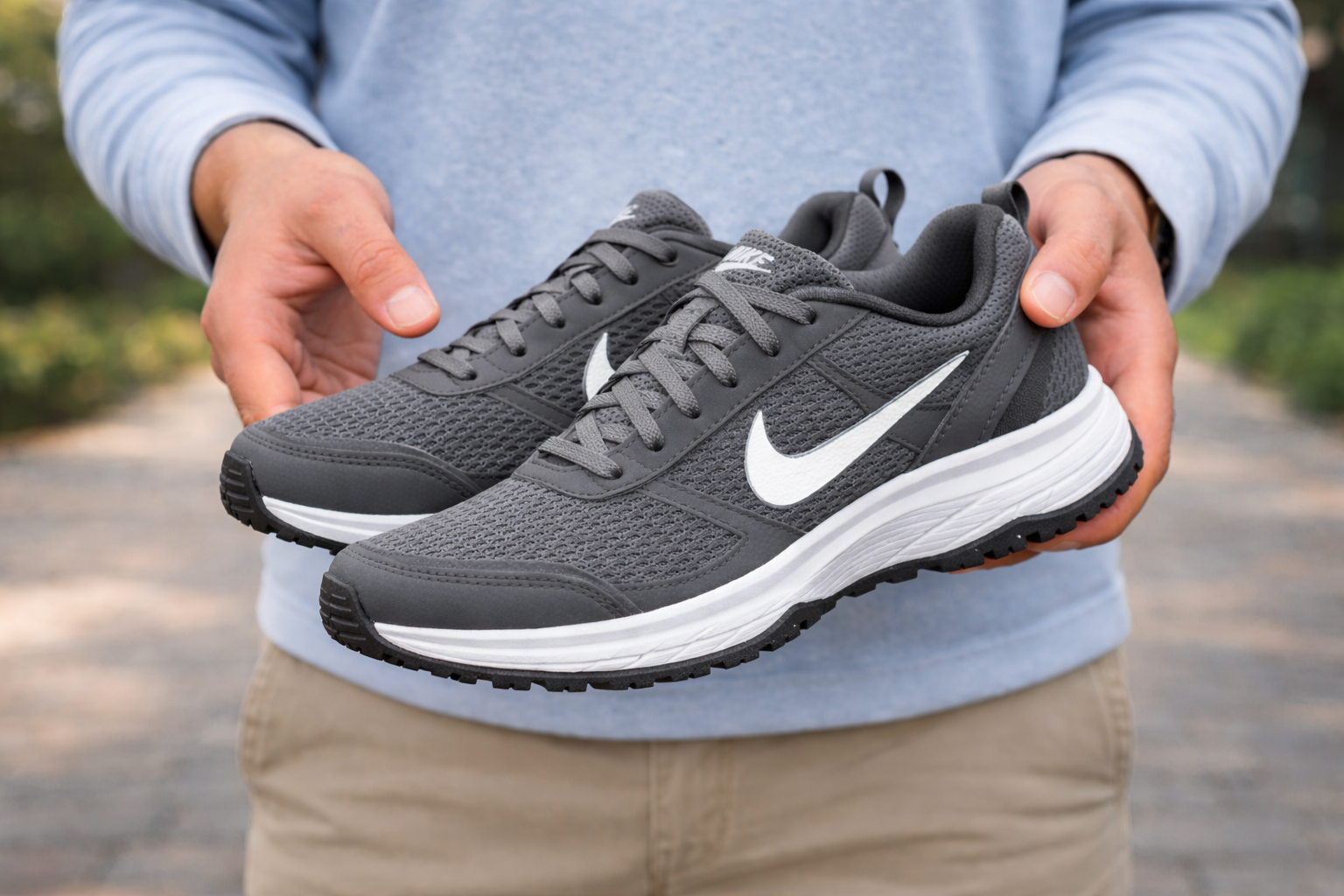
City walking shoes need to absorb impact, stay comfortable for hours, and handle a wide range of environments—from busy streets to cobblestones and public transport.
Here are the features that matter most.
Cushioning
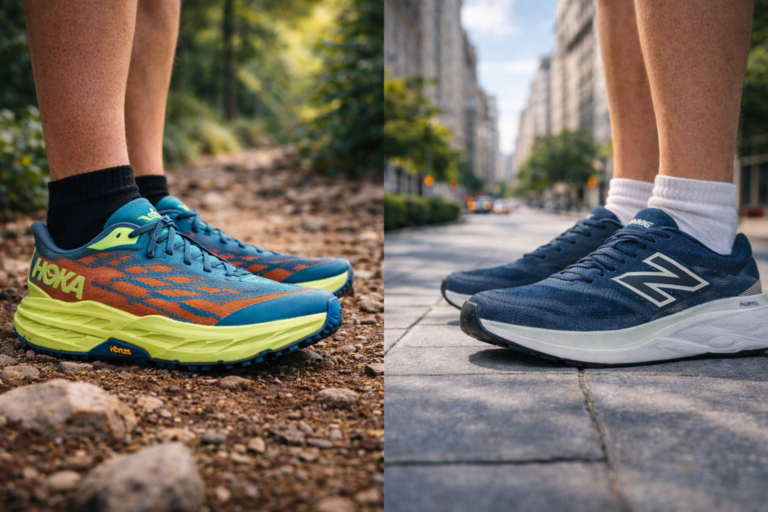
Urban surfaces are unforgiving. Unlike dirt trails, concrete provides almost no shock absorption. Research in sports biomechanics shows that hard surfaces increase impact forces on the feet and joints with every step.
Good cushioning helps absorb that impact and reduce fatigue during long walking days.
Most modern walking shoes use foam midsoles made from materials such as EVA or TPU, which compress slightly with each step to soften the landing.
Moderate cushioning tends to work best for city walking. Extremely soft shoes can feel unstable, while very firm shoes may feel harsh after several hours on pavement.
Support and Stability
Cities often include uneven surfaces such as cobblestones, curbs, stairs, and tram tracks. A supportive shoe helps keep the foot stable and aligned while walking.
Key elements that improve stability include:
- a structured heel counter
- a supportive midsole
- a secure lacing system
These features help reduce foot fatigue and improve comfort over long distances.
Lightweight Construction
Weight matters. Even small differences become noticeable over thousands of steps.
A typical walking day in a city may involve 15,000–20,000 steps. Heavier shoes require slightly more effort with each step, which can contribute to fatigue.
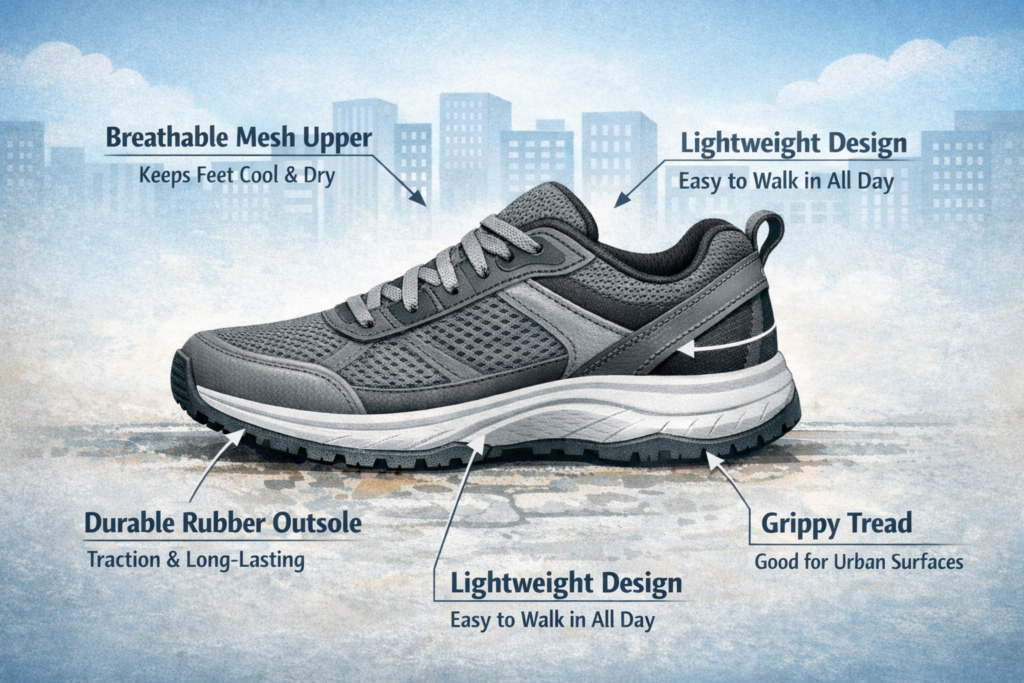
Many good walking shoes weigh 250–350 grams per shoe, striking a balance between comfort, cushioning, and durability.
Breathability
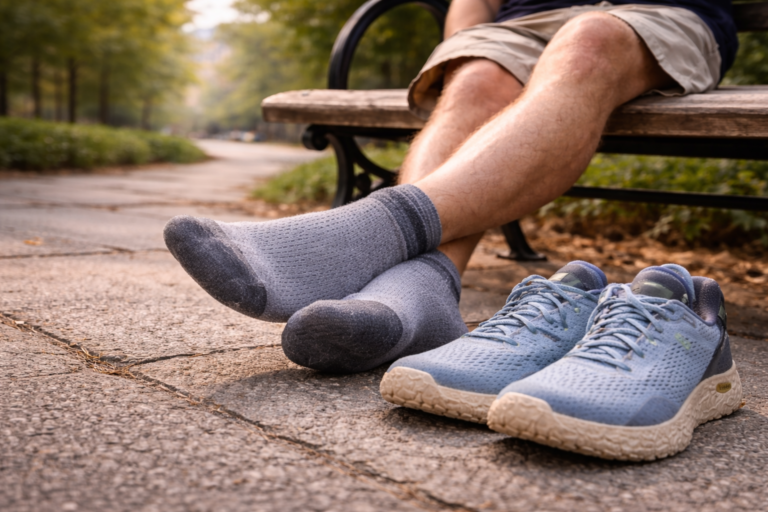
Feet generate heat during long walks. Breathable shoes allow air to circulate, helping reduce moisture buildup.
Most modern walking shoes use mesh uppers, which allow heat and sweat to escape.
Breathable shoes are particularly important in warm climates or during summer travel, where trapped moisture can increase the risk of blisters.
Comfortable Fit
Fit is the single most important factor in any walking shoe.
A good walking shoe should feel comfortable immediately. Your toes should have space to move, while the heel should remain secure without slipping.
A common guideline is to allow about a thumb’s width of space between your longest toe and the front of the shoe. This allows for natural foot movement and swelling during long walks.
Flexible Forefoot
Walking shoes should bend naturally where the foot flexes.
A flexible forefoot allows the shoe to move with your stride rather than resisting it. When shoes are too stiff, walking can feel awkward and tiring over long distances.
Flexibility helps maintain a smooth, natural walking motion.
Durable Outsole
City walking places constant wear on shoes. Pavement, stairs, and rough surfaces gradually break down outsoles.
Durable rubber outsoles provide grip and help extend the life of the shoe. Many walking shoes are designed to last 500–800 kilometres of regular use, although this varies depending on the materials and walking conditions.
Versatility
Travel shoes often need to handle different situations in the same day.
A good city walking shoe should work for:
- long sightseeing days
- public transport
- cafés and restaurants
- parks or light trails
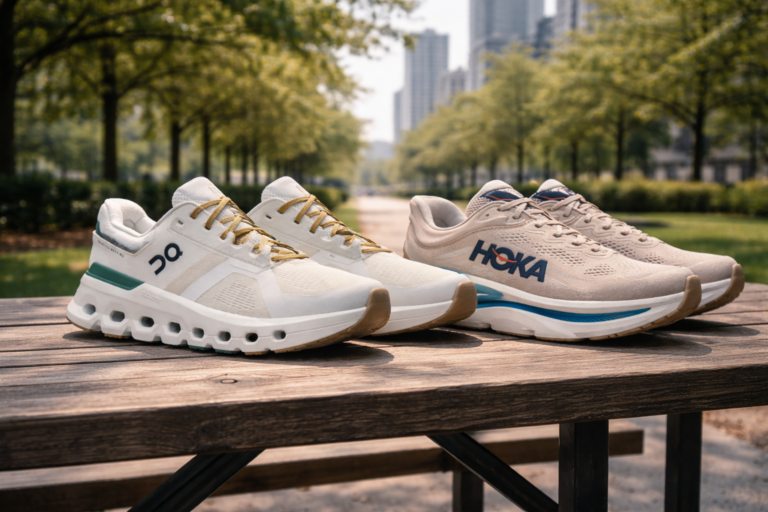
Many travellers prefer shoes that combine comfort with a clean, simple design so they can be worn almost anywhere.