Top Backpack Features for City Walking

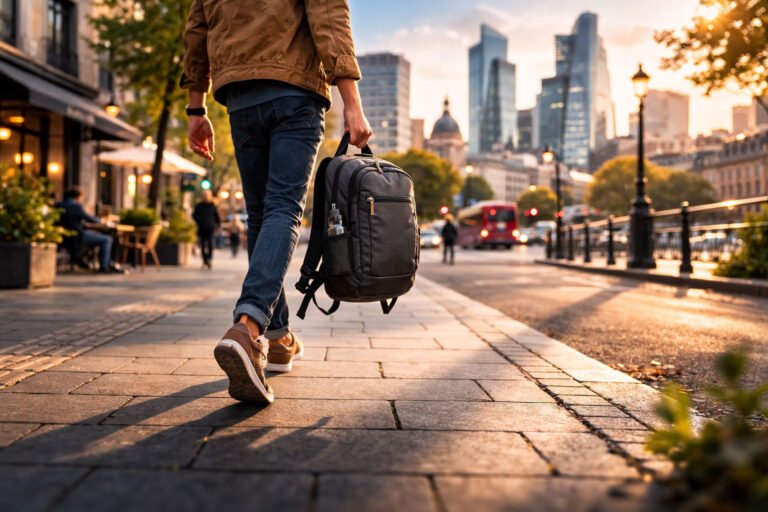
A good backpack can make a long day of exploring far more comfortable. While size matters, the design features of a pack often determine how practical it is when navigating busy streets, public transport, cafés, and attractions.
The best daypacks for urban travel are lightweight, comfortable, and easy to organise, allowing you to carry daily essentials without unnecessary bulk.
Here are some of the most useful features to look for in a backpack designed for city walking.
Lightweight Design
Weight becomes noticeable after several hours of walking. Even a few hundred extra grams can make a difference over the course of a full day.
Most city daypacks weigh between 400 grams and 900 grams when empty. Lighter packs reduce shoulder strain and make it easier to carry essentials comfortably.
Materials such as nylon or ripstop fabrics often provide a good balance between durability and weight.
Comfortable Shoulder Straps
Shoulder straps carry most of the load on a daypack, so good design is important.
Look for straps with:
- light padding for comfort
- breathable mesh fabric
- a curved shape that fits naturally over the shoulders
Poorly designed straps can create pressure points during longer walks.
Breathable Back Panel
Backpack ventilation improves comfort, particularly in warm weather.
Common designs include:
- mesh-covered foam panels
- airflow channels
- suspended mesh back panels
These systems help reduce heat and moisture buildup between the pack and your back.
Simple Organisation
A city daypack usually carries only a handful of items, but smart organisation makes them easier to access.
Useful internal features may include:
- a sleeve for a tablet or small laptop
- zip pockets for valuables
- mesh pockets for small accessories
Good organisation prevents small items from disappearing into the bottom of the pack.
Secure Zippers
Busy urban environments make secure closures important.
Durable zippers help prevent accidental openings and protect items in crowded areas. Some packs include zipper pulls that can be clipped together for additional security.
Small details like this can make a backpack more travel-friendly.
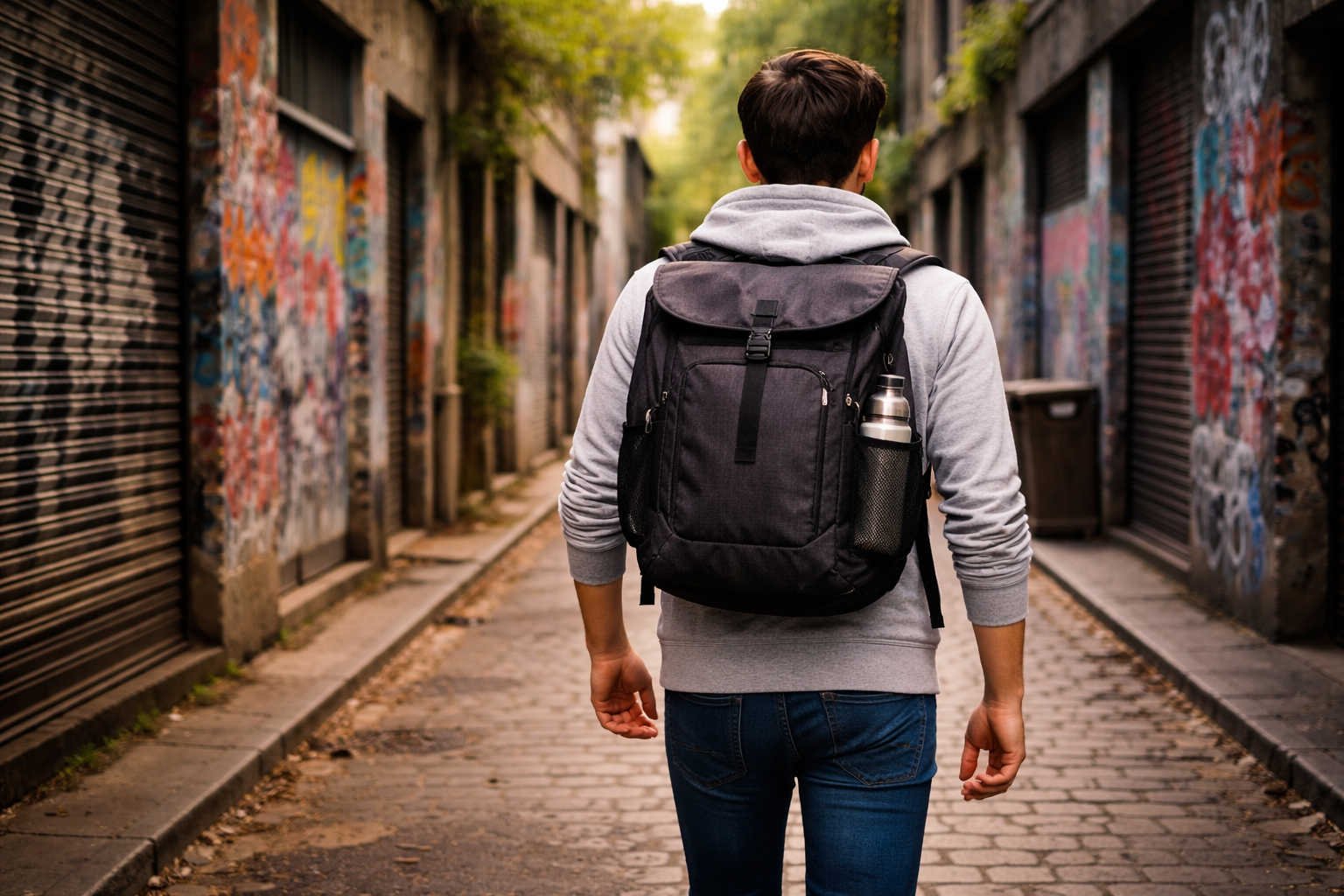
Water Bottle Pockets
External bottle pockets allow quick access to water without opening the main compartment.
Most daypacks include stretch side pockets that hold bottles securely while walking.
This simple feature makes staying hydrated much easier during long days of exploring.
Weather Resistance
Weather conditions can change quickly during a day outdoors.
Many backpacks use water-resistant fabrics that protect contents from light rain. Some packs also include a small rain cover stored in a pocket.
For most urban travel, basic water resistance is usually sufficient.
Compact Profile
Large backpacks can feel awkward in crowded streets or public transport.
A slim, compact design is easier to move with and less likely to bump into people. Smaller packs also tend to feel more balanced while walking.
Optional Stability Straps
Some daypacks include stabilising straps such as a sternum strap or lightweight hip belt.
These straps help keep the pack stable during faster walking or uneven terrain. However, many city walkers prefer packs with removable straps so they can travel lighter when needed.
Frequently Asked Questions
What size backpack is best for city walking?
Most travellers find that 15–20 litre daypacks provide enough space for daily essentials without becoming bulky.
Are anti-theft backpacks necessary for city travel?
They can add extra security in crowded destinations, but good awareness and secure zippers are usually sufficient for most travellers.
Should a city daypack have a laptop sleeve?
A laptop sleeve is useful if you carry electronics, but it is not essential for a simple daypack used primarily for walking.