How to Avoid Blisters During Long Walks

Blisters are one of the most common problems for people who walk long distances. They usually occur when friction, moisture, and pressure damage the outer layers of skin.
For travellers exploring cities on foot, the risk increases quickly. Many visitors walk 8–12 kilometres per day while sightseeing, often on hard pavement and in unfamiliar shoes.
Breaking in new shoes properly and managing friction are the most effective ways to prevent blisters during long walking days.
1. Start with Short Walks
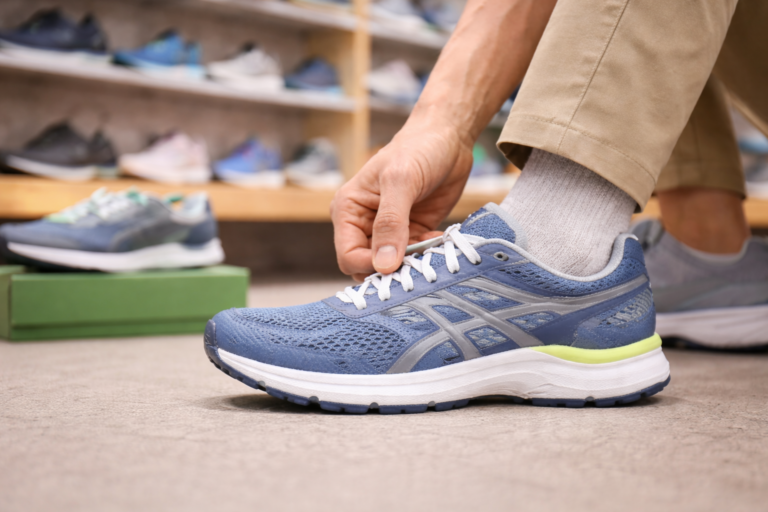
New walking shoes should not be used for long distances immediately. Even if they feel comfortable in the store, the materials still need time to soften and adapt to your feet.
Begin with short walks of 1–2 kilometres, then gradually increase distance over several days. This allows the shoe to flex naturally and helps your feet adjust to the fit and cushioning.
Most shoes feel noticeably more comfortable after 10–20 kilometres of walking.
2. Make Sure the Shoes Fit Properly
Poor fit is the most common cause of blisters.
Shoes that are too tight create pressure points, while shoes that are too loose allow the foot to slide, increasing friction.
A good walking shoe should:
- hold the heel securely
- allow toes to move naturally
- leave about a thumb’s width of space at the front
Feet often swell during long walks, so shoes should still feel comfortable after several hours of activity.
Recommended reading: The ultimate shoe guide for city walking.
3. Wear the Right Socks
Socks play a major role in blister prevention.
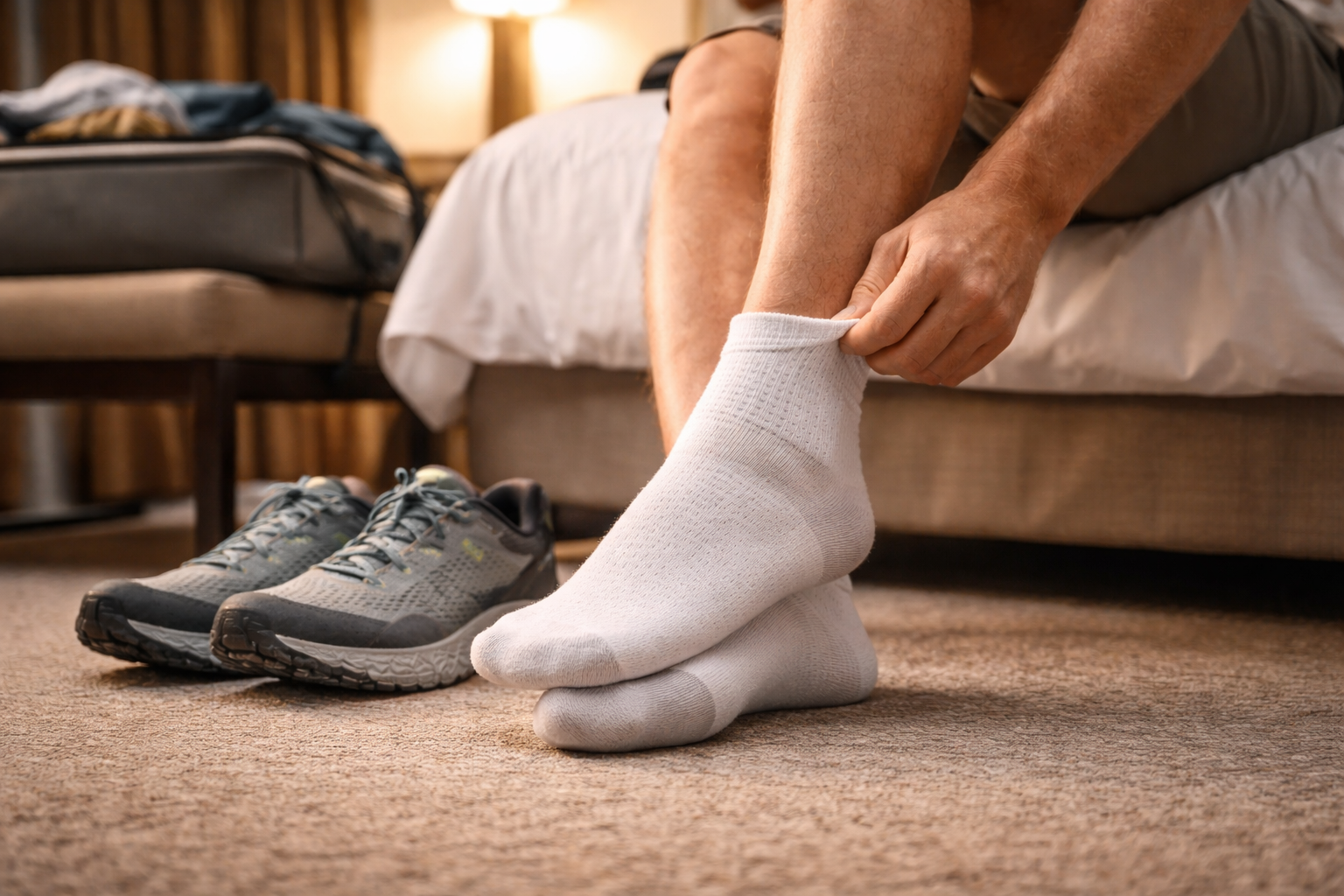
Good walking socks help reduce friction and move moisture away from the skin. Many experienced walkers prefer synthetic or merino wool socks because they wick moisture effectively.
Cotton socks tend to trap moisture, which increases friction and raises the risk of blisters.
Some walking socks also include additional cushioning in high-friction areas such as the heel and forefoot.
4. Keep Your Feet Dry
Moisture softens skin and increases friction.
Sweat, rain, or damp socks can all contribute to blister formation. Breathable shoes and moisture-wicking socks help reduce this risk.
If your feet become wet during a long walk, changing socks can make a noticeable difference.
5. Adjust Lacing for a Secure Fit
Small changes in lacing can prevent friction and foot movement inside the shoe.
Tightening laces around the midfoot helps stabilise the foot, while leaving a little extra room near the toes can prevent pressure.
If your heel slips, a heel-lock lacing technique can help keep the foot secure.
6. Watch for Hot Spots
Blisters rarely appear instantly. Most begin as hot spots, small areas where the skin starts to feel warm or irritated.
If you notice a hot spot:
- stop and adjust your shoe or sock
- apply blister tape or moleskin
- reduce friction before the skin breaks
Acting early can prevent a small irritation from becoming a painful blister.
7. Trim Toenails
Long toenails can press against the inside of the shoe during walking, especially when descending hills or stairs.
Keeping toenails trimmed helps prevent pressure and irritation around the toes.
8. Carry Simple Blister Protection
Many experienced walkers carry small blister-prevention supplies such as:
- blister tape
- moleskin
- adhesive bandages
Applying tape to high-friction areas before a long walk can reduce skin movement and prevent irritation.
9. Build Walking Distance Gradually
Sudden increases in walking distance raise blister risk. Skin gradually adapts to friction over time.
If you plan to walk long distances while travelling, increasing your regular walking distance beforehand can help your feet adapt.