Are Running Shoes Good for City Walking?

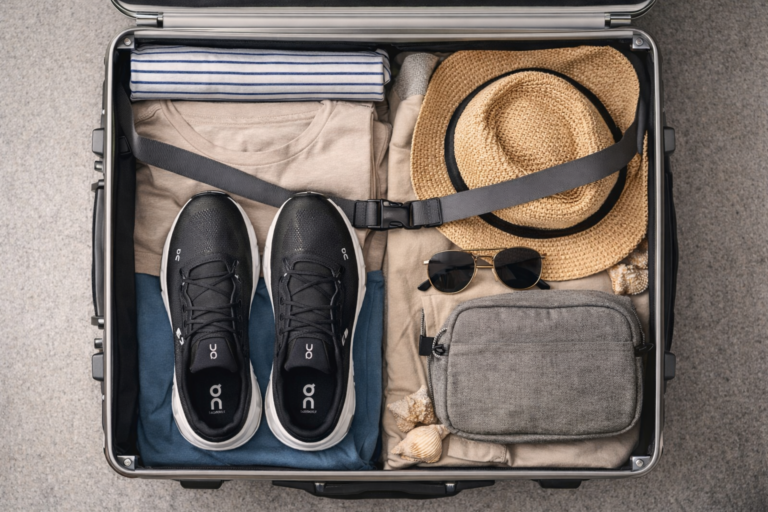
Running shoes are one of the most common types of footwear people use when travelling. They’re lightweight, comfortable, and widely available. But are they actually a good choice for long days walking through cities?
In many cases, the answer is yes. Running shoes are designed for repetitive forward motion, cushioning, and comfort—qualities that translate well to city walking.
However, they are not always the perfect option. Understanding their strengths and limitations can help you decide whether running shoes are the right choice for your travel or walking routine.
Why Running Shoes Are Good for City Walking
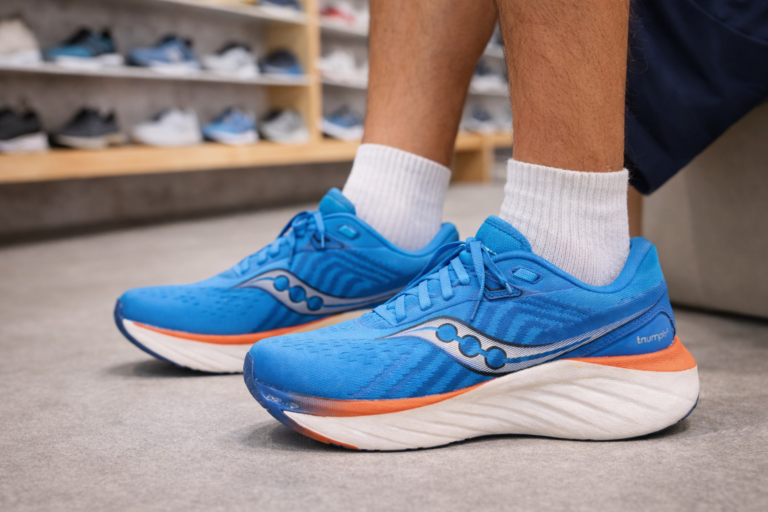
Running shoes are designed to handle repeated impact. When running, the foot strikes the ground with greater force than when walking, so most running shoes include substantial cushioning and shock absorption.
This can be helpful when walking long distances on hard urban surfaces.
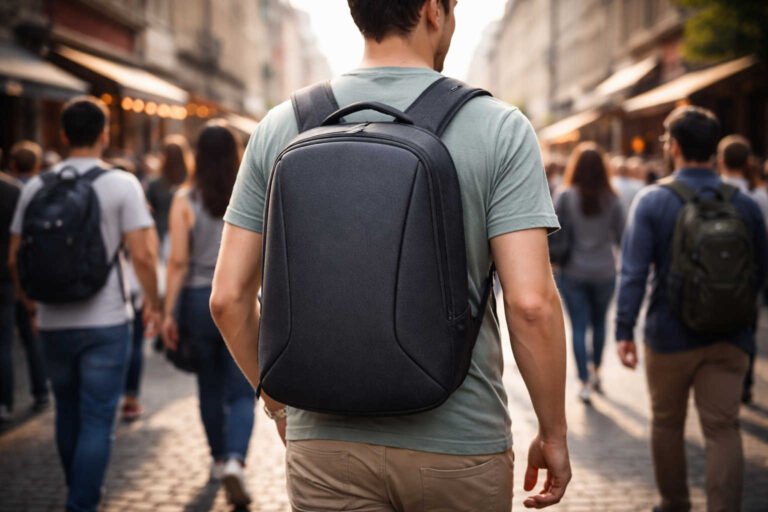
Many travellers cover 8–12 kilometres per day while sightseeing, often on pavement or concrete. These surfaces provide almost no natural shock absorption, so cushioned shoes can reduce fatigue over long walking days.
This is one reason running shoes are often recommended for travel walking.
Further reading:
Cushioning and Comfort
Running shoes include foam midsoles made from materials such as EVA or TPU. These materials compress slightly with each step to absorb impact.
Extra cushioning can be particularly helpful when walking long distances on pavement.
However, extremely soft shoes can sometimes feel unstable on uneven surfaces such as cobblestones or stone paths.
Breathability
Running shoes typically use mesh uppers, which allow heat and moisture to escape.
Breathability is important during long walking days because feet generate heat and sweat during activity. Good airflow helps reduce moisture buildup, which can lower the risk of blisters.
For a more detailed comparison of shoe materials, see: Leather vs Mesh Walking Shoes
Lightweight Design
Running shoes are typically lighter than many walking or hiking shoes.
Weight matters more than many people realise. A typical walking day in a city may involve 15,000–20,000 steps, and heavier shoes require slightly more effort with every step.
Lightweight footwear can reduce fatigue over long distances.
Do Running Shoes Last as Long as Walking Shoes?
In most cases, yes. The lifespan of a shoe is usually determined by the midsole and outsole materials rather than the intended activity.
Most running shoes last around 500–800 kilometres before cushioning begins to break down.
That means someone walking 5 km per day could reach this range in about four to six months.
If you want to learn more about shoe lifespan, see: How Many Kilometres Do Walking Shoes Last?
When Running Shoes May Not Be Ideal
Despite their advantages, running shoes are not perfect for every situation.
Wet conditions
Most running shoes are breathable rather than waterproof. This means they can become wet quickly in heavy rain or when stepping in puddles.
If you frequently walk in wet environments, waterproof shoes may be a better option.
Also read: Waterproof vs Breathable Walking Shoes
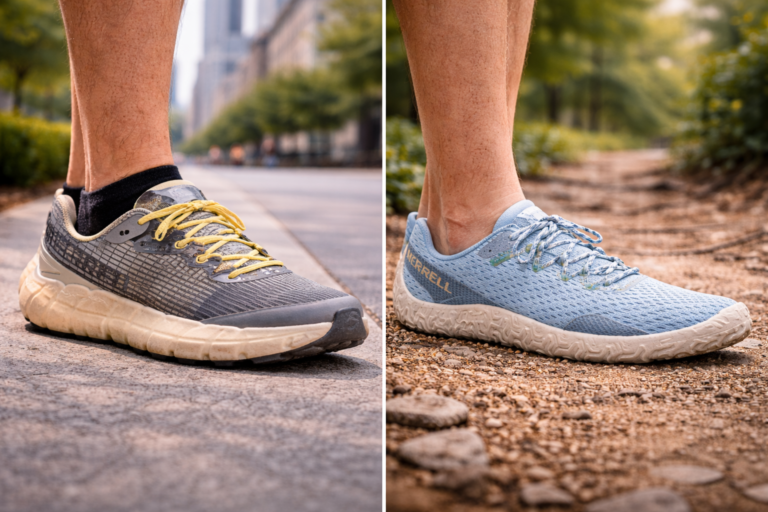
Rough terrain
Running shoes are designed primarily for pavement or smooth surfaces. If your walking includes trails, gravel paths, or uneven terrain, hiking shoes may offer better grip and durability.
Minimal support
Some lightweight running shoes provide less structure than dedicated walking or hiking shoes. People who prefer strong stability may prefer shoes with firmer midsoles.
Tips for Using Running Shoes for City Walking
If you plan to use running shoes for travel or long urban walks, a few simple tips can improve comfort.
- Choose shoes with moderate cushioning rather than extremely soft midsoles.
- Make sure the shoes fit well, with enough room in the toe box and a secure heel.
- If the shoes are new, take time to break them in before walking long distances.
Further reading: How to Avoid Blisters During Long Walks.