How Much Cushioning Do Walking Shoes Need?

Cushioning is one of the most important features in a walking shoe. It absorbs impact, reduces stress on joints, and helps keep your feet comfortable during long days on pavement.
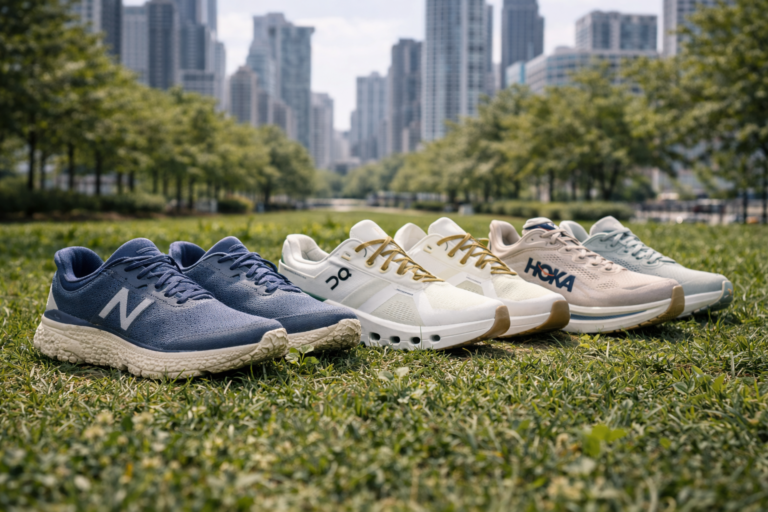
For most people, walking shoes should have moderate to high cushioning. This level of cushioning absorbs repeated impact from hard surfaces like pavement while still maintaining stability and support.
But more cushioning is not always better. Some walkers prefer soft, highly cushioned shoes, while others prefer firmer shoes that feel more stable.
Understanding how cushioning works can help you choose the right level of comfort and support for your walking style.
We recommend reading: Guide to city walking shoes.
Why Cushioning Matters
Every step you take creates impact. When walking on hard surfaces like pavement or concrete, that impact travels through the feet, ankles, knees, and hips.
A cushioned midsole helps absorb some of that force. This can reduce fatigue and improve comfort, especially during long walking days.
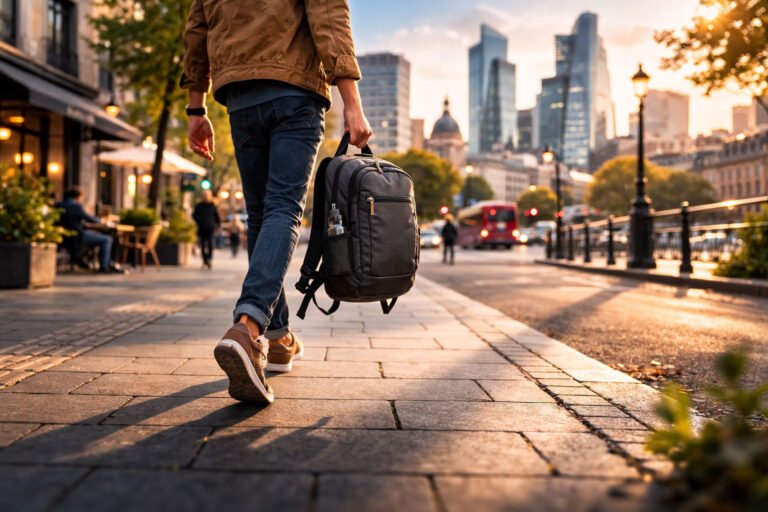
This is particularly important for travellers exploring cities. Many people walk 8–12 kilometres per day while sightseeing, often on surfaces that offer little natural shock absorption.
Types of Cushioning in Walking Shoes
Most walking shoes use foam midsoles to provide cushioning.
Common midsole materials include:
EVA foam (most common)
EVA (ethylene vinyl acetate) is the most widely used cushioning material. It is lightweight, flexible, and absorbs impact effectively.
TPU-based foam (more resilient)
Some premium shoes use more resilient foams that return more energy with each step. These materials tend to feel slightly firmer but maintain their cushioning longer.
Gel or air cushioning systems
Some brands incorporate additional shock-absorbing technologies such as gel inserts or air pockets.
Each material creates a slightly different feel, but the goal is the same: reduce impact and improve comfort.
Cushioning vs Stack Height
Stack height refers to the total thickness of the sole between your foot and the ground.
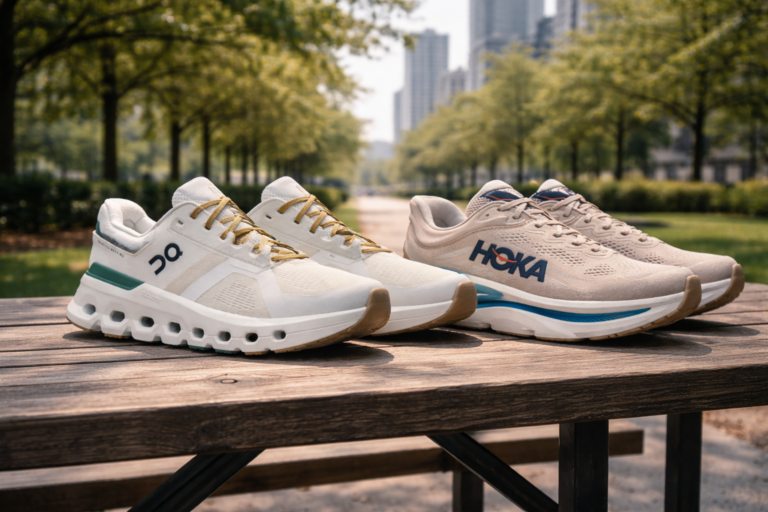
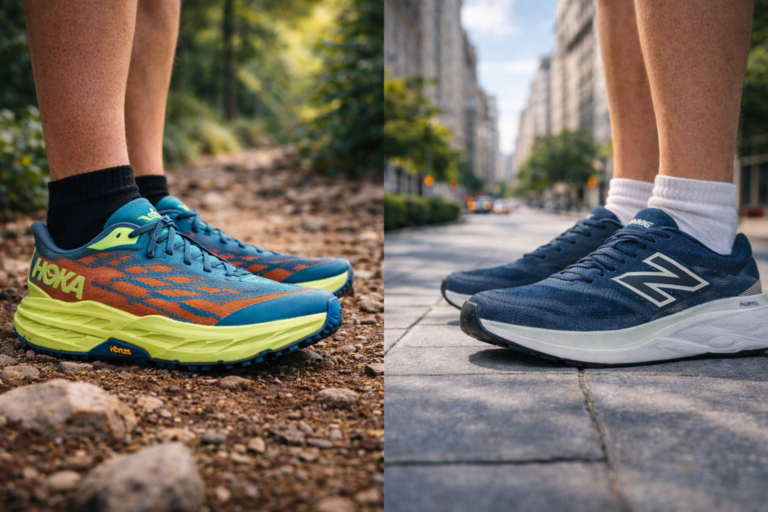
Shoes with a higher stack height usually contain more foam and therefore more cushioning. However, thicker soles do not always mean softer cushioning. Some shoes use firmer foams to maintain stability while still providing impact protection.
Higher stack heights can improve comfort on hard surfaces but may slightly reduce ground feel.
Minimal Cushioning
Minimal cushioning shoes have thinner midsoles and allow the foot to feel the ground more directly.
Advantages include:
• lighter weight
• better ground feedback
• greater flexibility
However, minimal cushioning can feel harsh during long walks on pavement. Many walkers find that thin midsoles lead to increased foot fatigue over time.
Minimal shoes are usually better suited to short walks or runners who prefer a very natural feel.
For more on this topic see our guide: Comparison of Cushioned and Minimal Walking Shoes.
Moderate Cushioning
Moderate cushioning is often the best balance for everyday walking.
These shoes provide enough foam to absorb impact without feeling overly soft or unstable.
Advantages include:
• comfortable impact absorption
• good stability
• suitable for long walking days
Many popular walking shoes fall into this category because they work well for both short and long distances.
Maximum Cushioning
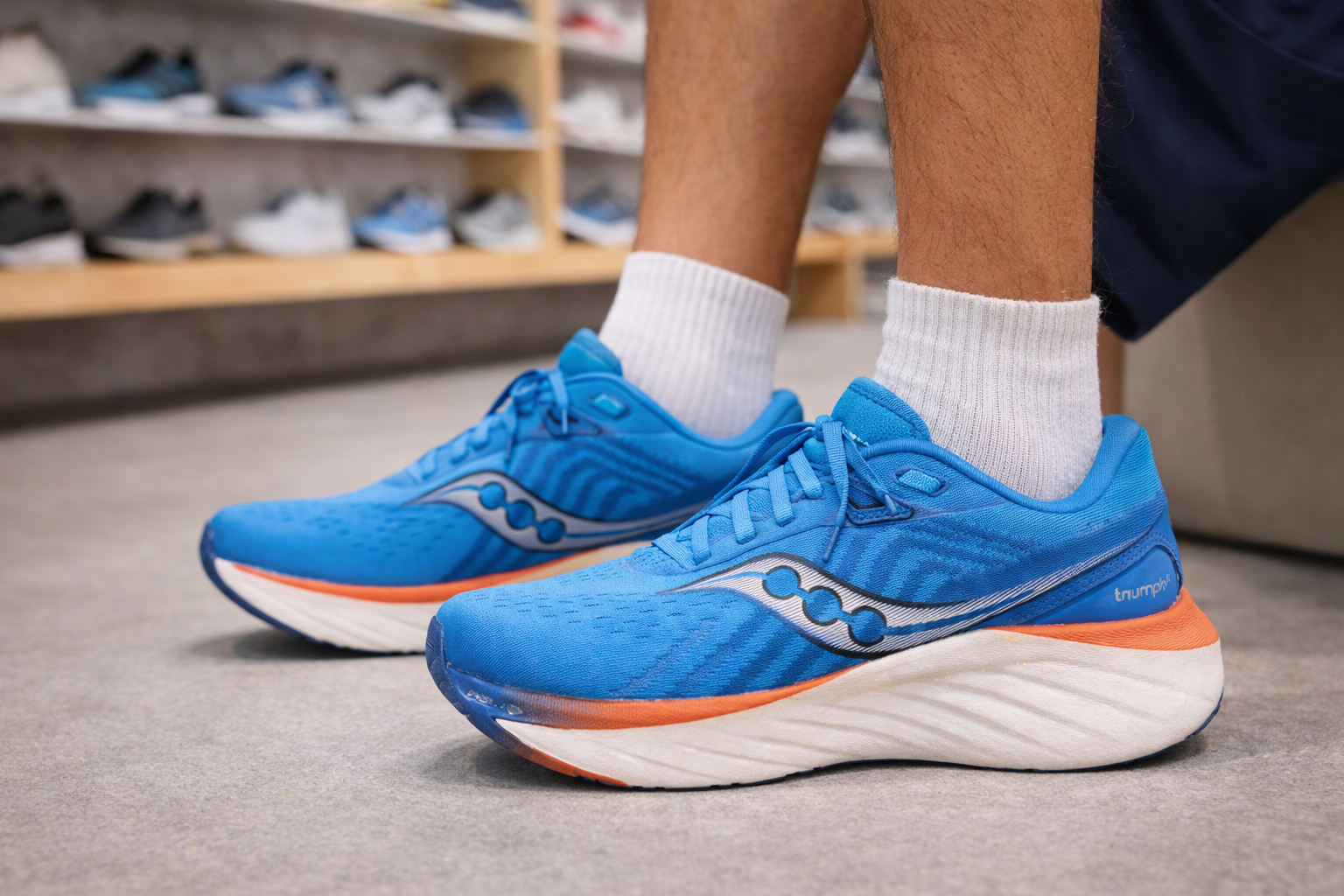
Maximum cushioning shoes have thick midsoles designed to absorb as much impact as possible.
These shoes are often used by runners and walkers who spend many hours on hard surfaces.
Advantages include:
• excellent shock absorption
• reduced joint stress
• strong comfort for long distances
However, very soft shoes can sometimes feel slightly less stable, particularly on uneven surfaces.
How Much Cushioning Do Most Walkers Need?
For most people walking in cities, moderate to high cushioning works best.
Urban walking usually involves:
• hard pavement
• long distances
• repetitive impact
Shoes with moderate cushioning provide comfort without sacrificing stability.
Highly cushioned shoes can also work well for people who:
• walk very long distances
• prefer a softer ride
• experience joint discomfort
Walkers with higher body weight may also prefer slightly more cushioning because the impact forces on each step are greater.
Cushioning vs Stability
While cushioning improves comfort, stability is equally important.
Very soft shoes can sometimes allow the foot to move more than desired, especially on uneven ground.
A good walking shoe balances:
• cushioning for impact absorption
• structure for stability
If you walk on mixed terrain or uneven surfaces, slightly firmer cushioning may feel more stable.
Cushioning and Shoe Lifespan
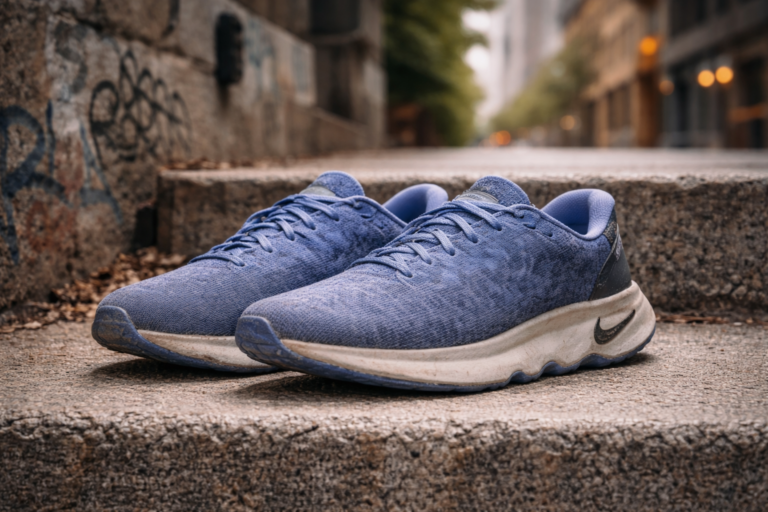
Cushioning gradually compresses with use.
Most walking shoes maintain their cushioning for around 500–800 kilometres before the foam begins to lose its effectiveness. Over time the foam compresses and loses its ability to absorb impact, a process known as midsole compression.
After this point, shoes may still look fine but feel less comfortable during long walks.
For more information on shoe lifespan see: How Many Kilometres Do Walking Shoes Last?
FAQ
Are highly cushioned shoes better for walking?
Not necessarily. Highly cushioned shoes can improve comfort on long walks, but some people prefer firmer shoes that feel more stable.
Do cushioned shoes reduce joint impact?
Yes. Cushioning helps absorb some of the impact created when the foot strikes hard surfaces like pavement.
Can shoes have too much cushioning?
For some people, yes. Very soft shoes may feel unstable or reduce ground feedback.
Do cushioned shoes last longer?
Not always. Most walking shoes last around 500–800 kilometres before the cushioning begins to compress and lose effectiveness.