Waterproof vs Breathable Walking Shoes

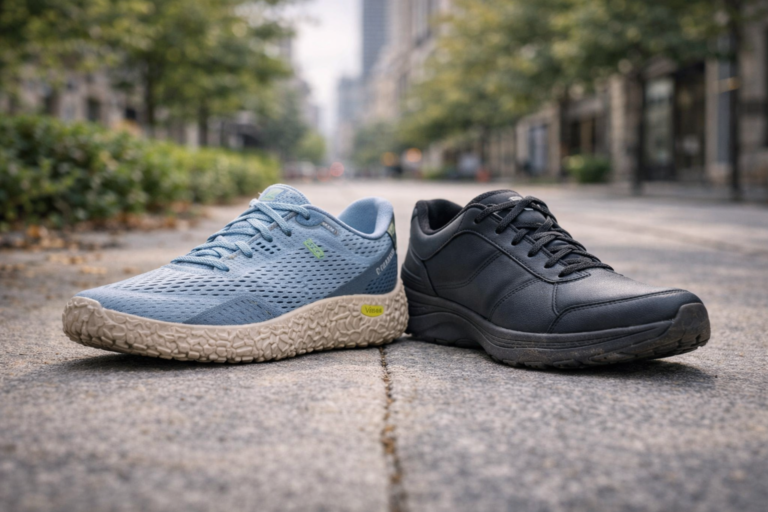
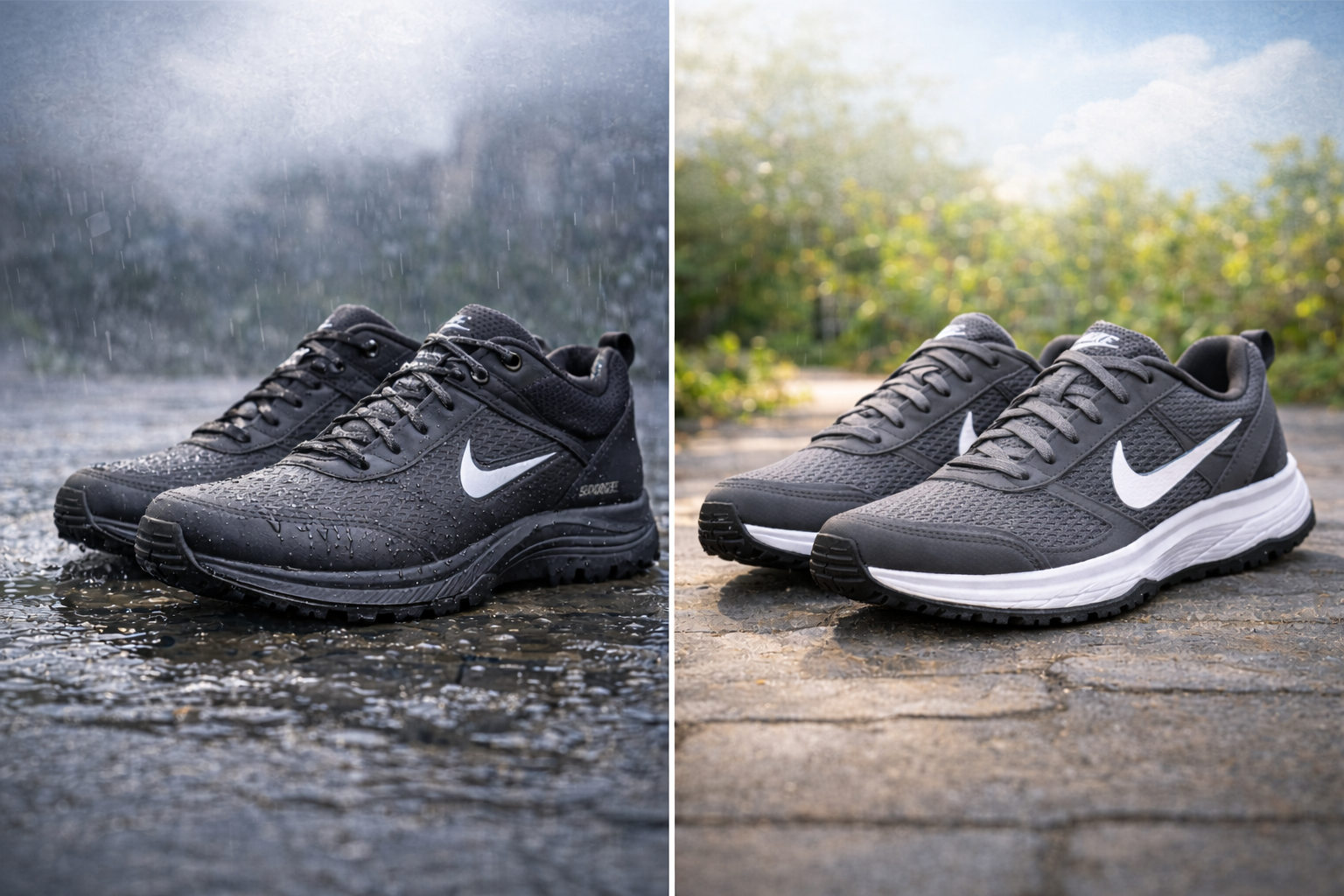
Walking shoes usually prioritise one of two things: water protection or airflow. Waterproof shoes keep water out. Breathable shoes allow heat and moisture to escape.
The right choice depends mainly on climate, walking distance, and conditions. Many travellers walk 8–12 km per day while exploring cities, which means comfort and moisture control can matter as much as weather protection.
Quick Comparison Table
| Feature | Waterproof Shoes | Breathable Shoes |
| Rain protection | Excellent protection in rain and puddles | Limited protection in rain |
| Breathability | Reduced airflow | High airflow |
| Comfort in hot weather | Can feel warm | Cooler during long walks |
| Drying time | Slower if water enters | Usually dries faster |
| Weight | Slightly heavier | Usually lighter |
| Best use | Wet climates, rainy conditions | Warm climates, city walking |
| Blister risk | Can increase if sweat builds up | Lower if feet stay dry |
Waterproof Walking Shoes
Waterproof shoes use membranes such as Gore-Tex or similar materials built into the upper. These membranes block water from entering while allowing some moisture vapour to escape.
Advantages
- Keeps feet dry in rain: Waterproof shoes protect against rain, puddles, and wet surfaces.
- Better in cold weather: Wet feet lose heat quickly. Waterproof shoes help maintain warmth in cooler climates.
- Useful on damp trails: Morning dew, wet grass, and muddy paths can quickly soak breathable shoes.
Limitations
- Less airflow: Waterproof membranes reduce ventilation. Feet can feel warmer during long walks.
- Slower drying: If water enters from the ankle opening, waterproof shoes may take longer to dry.
- Slightly heavier: Waterproof models often weigh more due to the extra membrane layer.
Breathable Walking Shoes
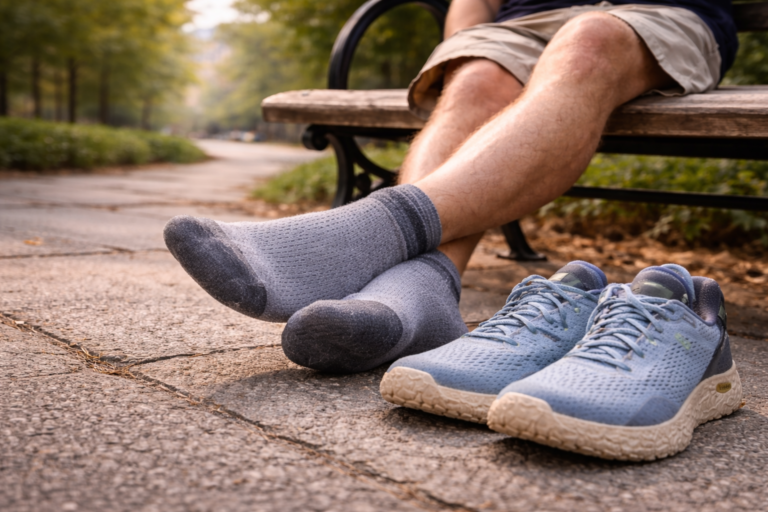
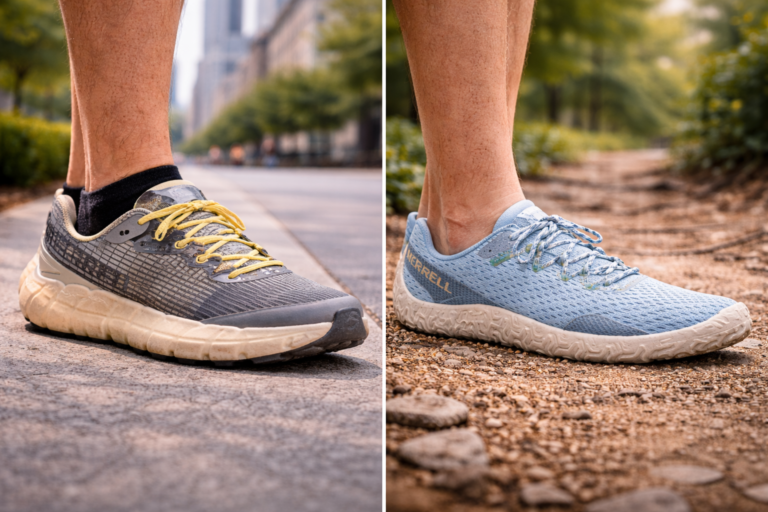
Breathable shoes prioritise airflow. Most use mesh uppers that allow heat and moisture to escape.
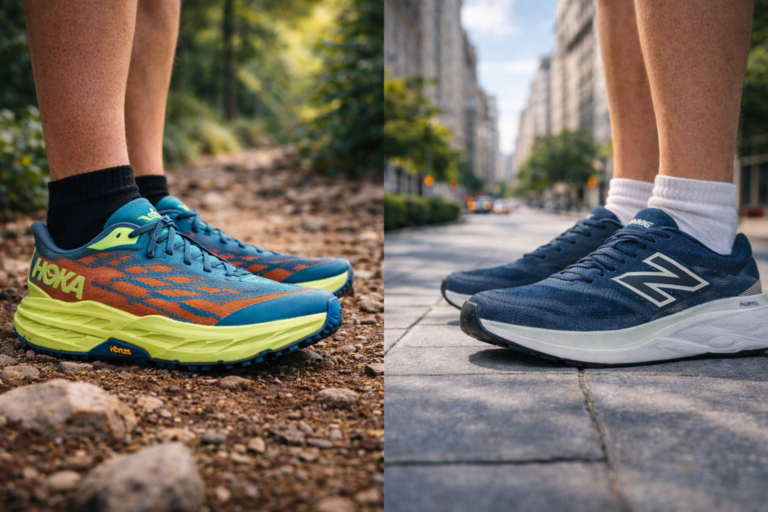
These designs are common in travel and city walking shoes.
Advantages
- Cooler feet: Breathable materials allow air circulation and reduce heat buildup.
- Lower blister risk: Moisture increases friction. Drier feet reduce the chance of blisters during long walks.
- Lighter weight: Mesh shoes are typically lighter than waterproof models.
- Faster drying: If breathable shoes get wet, they usually dry much faster.
Limitations
- Limited rain protection: Mesh uppers allow water to enter during rain.
- Wet feet in puddles: Breathable shoes offer little protection when walking through standing water.
Which Is Better for City Walking?
For most travellers, breathable shoes are the better option for city walking.
Urban sightseeing often involves 8–12 km of walking per day, and breathable shoes help keep feet cooler and drier over long distances.
Waterproof shoes become more useful in destinations with frequent rain or colder temperatures.
When Each Shoe Type Works Best
| Situation | Best Choice |
| Hot weather city travel | Breathable shoes |
| Cold rainy cities | Waterproof shoes |
| Long sightseeing days | Breathable shoes |
| Wet trails or grass | Waterproof shoes |
| Summer travel | Breathable shoes |
A Practical Travel Strategy
Many experienced travellers prefer breathable shoes for city walking and rely on quick-drying materials instead of waterproof protection.
If shoes get wet, breathable models often dry overnight more easily than waterproof shoes that become wet inside.
In very wet destinations, some travellers bring two pairs of shoes and rotate them so one pair can dry while the other is worn.
FAQ
Are waterproof shoes less breathable?
Yes. Waterproof membranes reduce airflow compared with mesh shoes. While materials such as Gore-Tex allow some moisture vapour to escape, they still trap more heat than fully breathable designs.
Can breathable shoes handle light rain?
Usually, yes. Many breathable shoes include water-resistant coatings that repel light rain. However, heavy rain or puddles will eventually allow water to enter.
Do waterproof shoes prevent blisters?
Not necessarily. Blisters typically occur when friction and moisture combine. Waterproof shoes may keep external water out, but they can also trap sweat inside the shoe.
Do waterproof shoes last longer?
Waterproof membranes do not usually affect durability. Most walking shoes—waterproof or not—last around 500–800 kilometres before the cushioning begins to wear out.
Also read: