Cushioned vs Minimal Walking Shoes

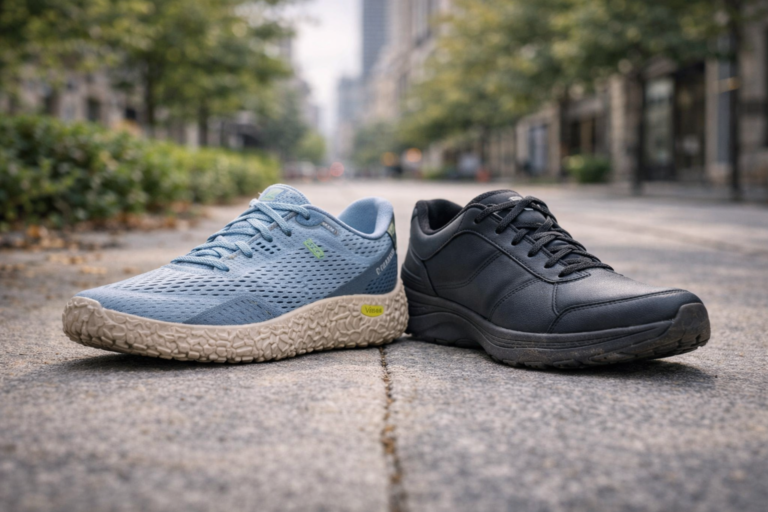
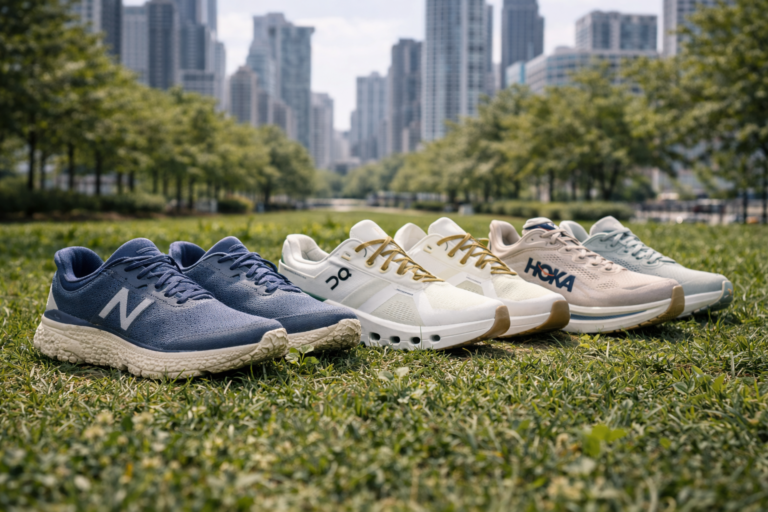
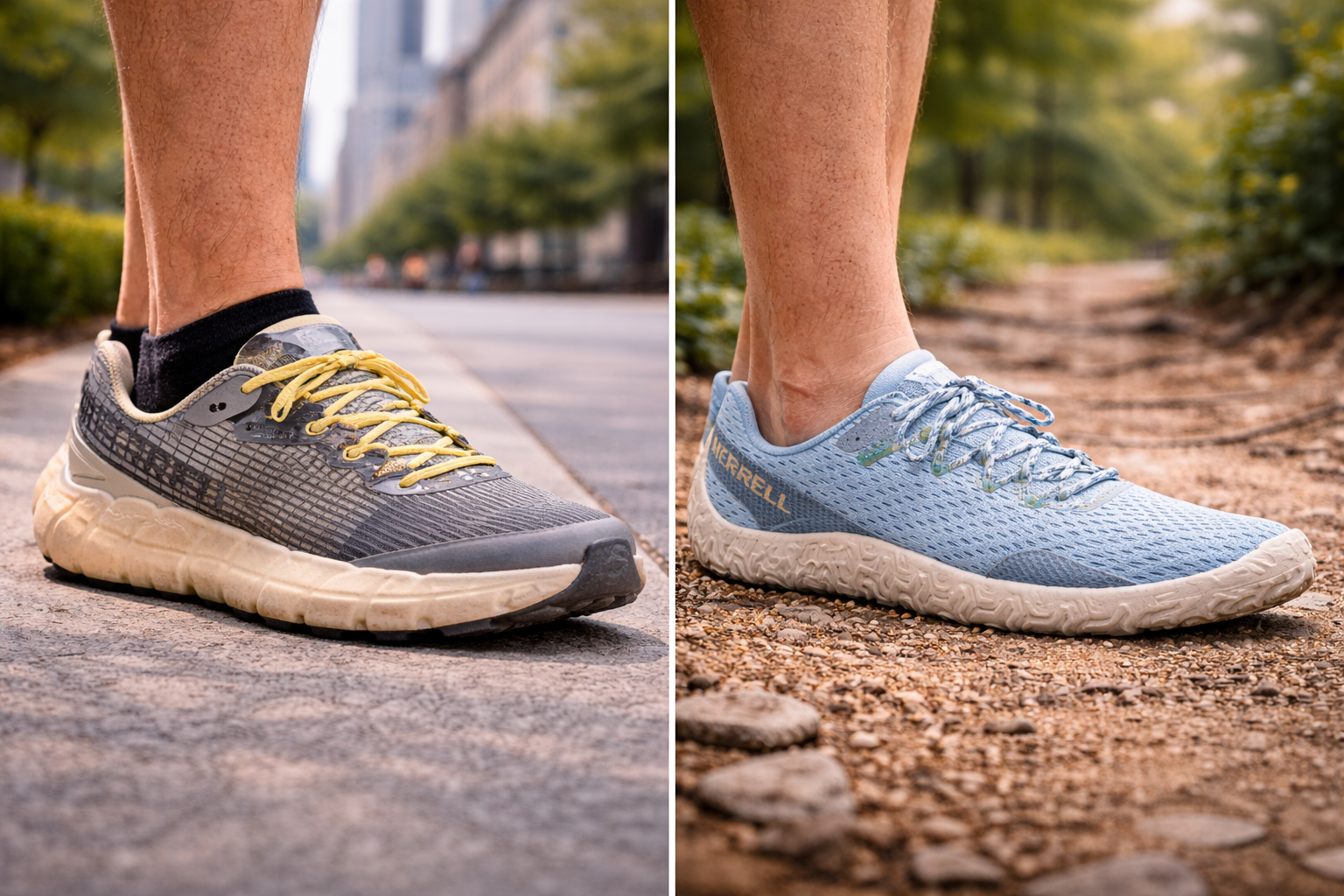
Walking shoes generally fall into two categories: cushioned and minimal. Cushioned shoes use thicker midsoles to absorb impact from hard surfaces, while minimal shoes use thinner soles that allow the foot to move more naturally.
Understanding the difference helps you choose a shoe that matches how and where you walk.
Quick Comparison
| Feature | Cushioned Shoes | Minimal Shoes |
| Midsole thickness | Thick foam | Thin sole |
| Impact absorption | High | Low |
| Ground feel | Limited | High |
| Weight | Moderate | Light |
| Best for | Long pavement walks | Natural walking feel |
Cushioned Walking Shoes
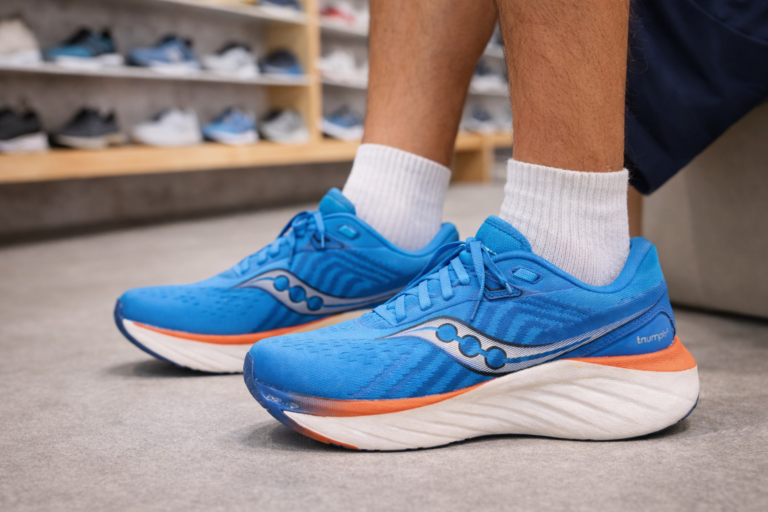
Cushioned shoes use thicker foam midsoles—usually EVA or TPU foam—to absorb shock from each step.
Hard surfaces like pavement and concrete provide almost no natural shock absorption, so cushioning helps reduce repeated impact during long walks.
Advantages
- Better impact protection: Cushioning absorbs repeated impact from hard surfaces.
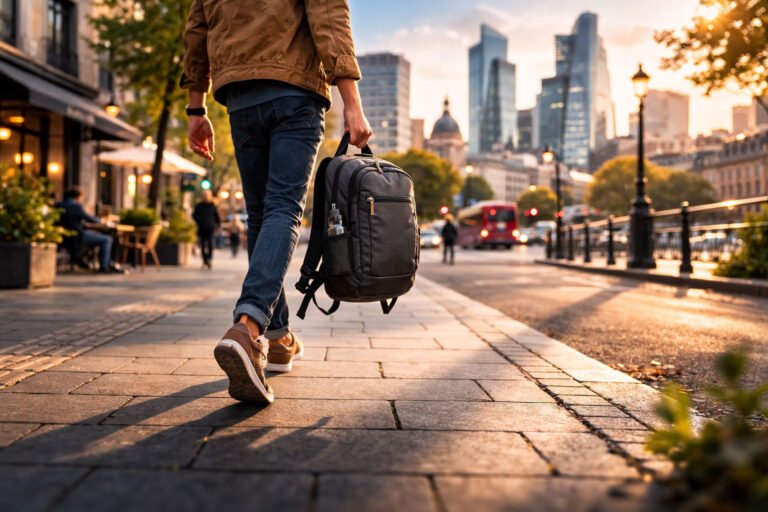
- Comfort on long walks: Travellers often walk 8–12 km per day while sightseeing, and cushioning helps maintain comfort over those distances.
- Reduced fatigue: Soft midsoles help reduce stress on feet and joints during long walking days.
Limitations
- Reduced ground feel: Thick midsoles limit how much you feel the surface beneath your feet.
- Potential instability: Very soft shoes can feel less stable on uneven surfaces like cobblestones.
Minimal Walking Shoes
Minimal shoes use thinner midsoles and flexible construction, allowing the foot to move more naturally while reducing unnecessary material.
They are usually lighter and more flexible than heavily cushioned models.
Advantages
- Natural foot movement: Minimal shoes allow the foot to flex and move freely.
- Lightweight: Many minimal shoes weigh significantly less than cushioned models.
- Better ground awareness: Thin soles allow you to feel the surface more clearly.
Limitations
- Less impact protection: Thin soles absorb less shock from pavement and concrete.
- Adjustment period: People used to cushioned shoes often need time to adapt.
- Less comfort on long pavement walks: Minimal shoes can feel harsher during long days on hard surfaces.
When Each Type Works Best
Cushioned shoes are usually better for:
- Long pavement walks
- City travel with 10–15 km of walking per day
- Walkers who want extra comfort
- People sensitive to impact on hard surfaces
Minimal shoes often work well for:
- Short to moderate walks
- Walkers who prefer lightweight footwear
- People already used to minimal shoes
- Softer surfaces such as park paths
Further reading: