Leather vs Mesh Walking Shoes – What’s Best?

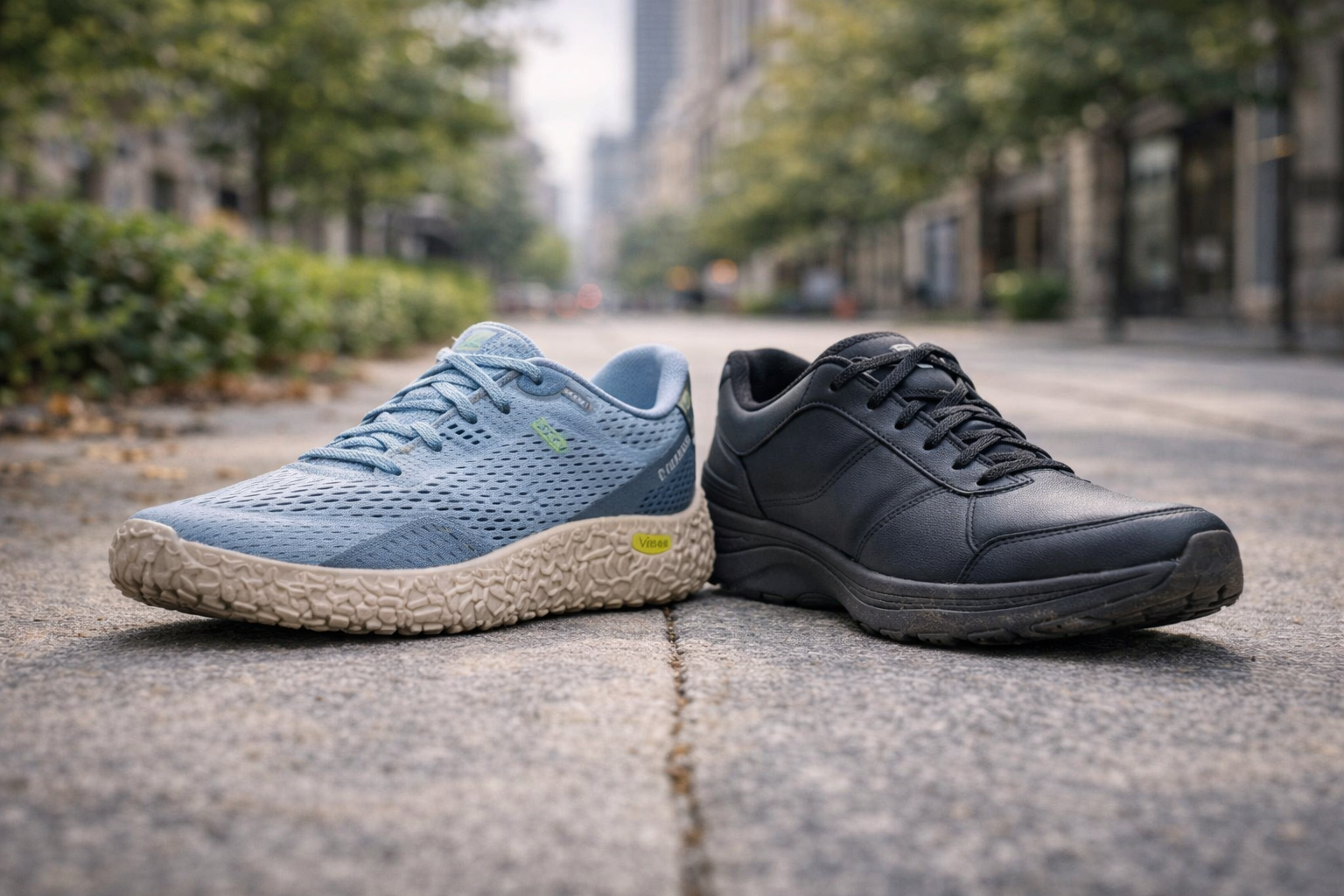
Walking shoes usually use one of two main upper materials: leather or mesh. Mesh shoes are lighter and more breathable, which makes them better for most long city walks, while leather shoes prioritise durability, structure, and weather protection.
The right choice depends on where you walk, how far you walk, and the climate. Travellers commonly walk 8–12 km per day while sightseeing, so comfort, airflow, and weight can make a noticeable difference.
Recommended: Guide to city walking shoes.
Leather vs Mesh: Quick Comparison
| Feature | Leather Shoes | Mesh Shoes |
| Durability | Very durable | Less durable over time |
| Breathability | Moderate | Excellent airflow |
| Weight | Heavier | Lightweight |
| Break-in time | Often requires break-in | Comfortable immediately |
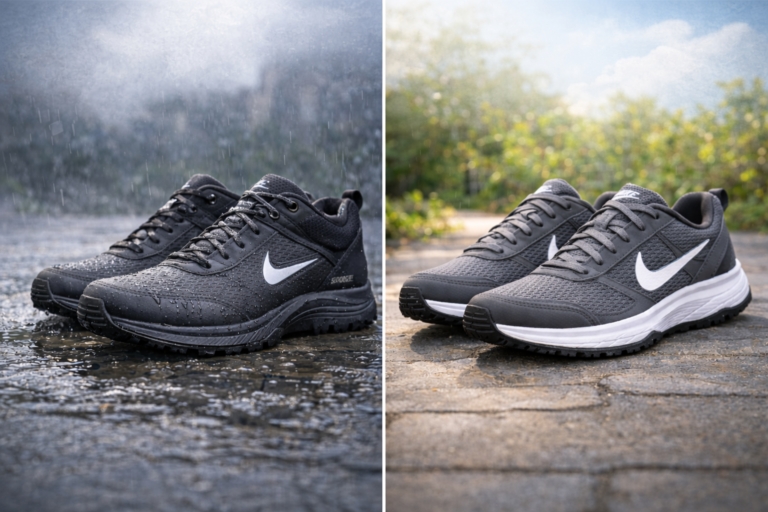
| Weather protection | Better against rain and dirt | Limited protection |
| Best use | Rough conditions, cooler climates | Warm weather, long walks |
Leather Walking Shoes
Leather has been used in footwear for centuries because it is tough, flexible, and long-lasting. Over time, leather tends to mould to the shape of your foot, creating a more personalised fit.
Advantages
- Durability: Leather uppers resist abrasion and wear better than many synthetic materials. Leather walking shoes often last longer under frequent use.
- Structure and support: Leather provides more structure than mesh, which can improve stability when walking on uneven surfaces.
- Better weather resistance: Leather offers more protection from light rain, dust, and dirt than mesh fabrics.
Limitations
- Heavier weight: Leather shoes are usually heavier than fabric alternatives.
- Break-in period: Leather often needs time to soften and adapt to the foot.
- Reduced airflow: While leather can breathe through microscopic pores, airflow is still lower than open mesh designs.
Mesh Walking Shoes
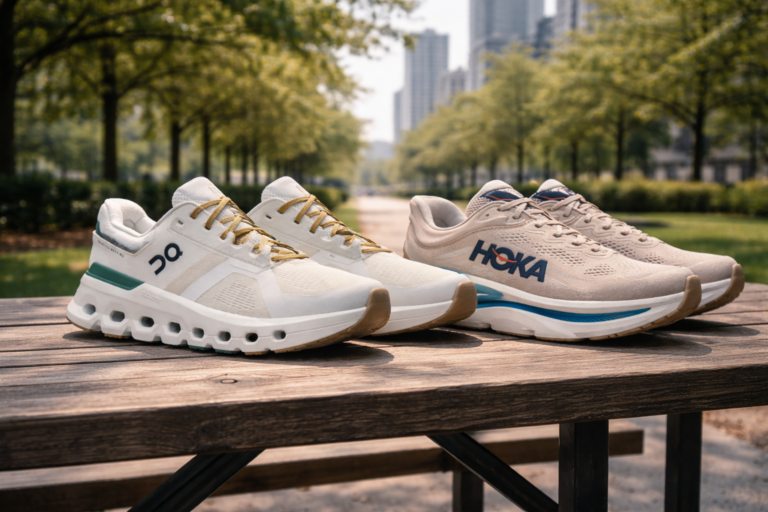
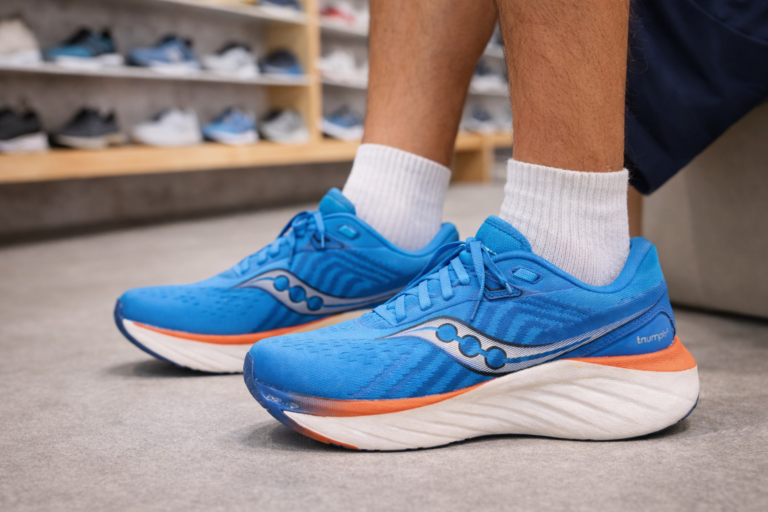
Mesh is a lightweight synthetic fabric designed to maximise airflow. Most modern athletic and travel shoes use mesh uppers because they allow heat and moisture to escape.
Advantages
- Excellent breathability: The open structure of mesh allows air to circulate through the shoe, helping regulate temperature and reduce sweat buildup.
- Lightweight design: Mesh shoes are typically lighter than leather shoes, which helps reduce fatigue during long walks.
- Immediate comfort: Mesh materials are flexible and usually require little or no break-in period.
Limitations
- Less durable: Mesh fabrics generally wear out faster than leather when exposed to repeated friction.
- Less weather protection: Mesh allows water, dust, and dirt to enter more easily.
Hybrid Uppers: The Most Common Modern Design
Many modern walking shoes combine mesh with synthetic overlays or leather panels. This hybrid design balances breathability with durability.
For example:
- mesh panels improve airflow
- reinforced overlays protect high-wear areas
- synthetic materials reduce overall weight
Hybrid uppers are now the most common design in running and travel walking shoes, offering a compromise between cooling and durability.
Which Is Better for City Walking?
For most travellers, mesh walking shoes are the better choice for city walking.
City travel often involves long days on pavement, and breathable mesh shoes help keep feet cooler and reduce fatigue over distance.
Leather shoes can still be useful in cooler climates, during wet weather, or when durability is a priority.
Leather vs Mesh by Climate
Climate often determines which material works best.
| Climate | Better Option |
| Hot climates | Mesh |
| Tropical travel | Mesh |
| Mild climates | Either |
| Cold weather | Leather |
| Wet environments | Leather or waterproof mesh |
Maintenance and Care
Leather and mesh shoes require different maintenance.
Leather care
- occasional conditioning keeps leather flexible
- wipe dirt with a damp cloth
- avoid prolonged soaking
Mesh care
- easier to clean with water
- dries faster than leather
- may lose structure after heavy wear
Durability and Lifespan
While leather uppers often last longer, the midsole cushioning usually determines the lifespan of walking shoes.
Most walking shoes maintain their cushioning for approximately 500–800 kilometres of use. After this point, shoes may still look intact but feel noticeably less comfortable.
Also read How Many Kilometres Do Walking Shoes Last?
Quick Buying Tips
Choose mesh walking shoes if you:
- walk long distances in cities
- travel in warm climates
- prioritise lightweight comfort
Choose leather walking shoes if you:
- walk in cooler or wet conditions
- need extra durability
- walk on rougher surfaces
For more information on choosing comfortable walking shoes see:
FAQ
Are leather shoes more durable than mesh shoes?
Generally, yes. Leather uppers resist abrasion and tend to last longer than mesh fabrics when used frequently.
Are mesh shoes cooler in hot weather?
Yes. Mesh fabrics allow airflow through the shoe, helping regulate temperature and reduce moisture buildup during long walks.
Do leather shoes breathe?
Yes. Natural leather contains microscopic pores that allow some air and moisture to pass through the material, although airflow is lower than mesh.
Which is better for travel?
For most travel situations—especially city sightseeing—mesh shoes are usually more comfortable because they are lighter and more breathable. Leather shoes are more useful when durability or weather protection is important.