Plenty Gorge Walk in Summer – South Morang

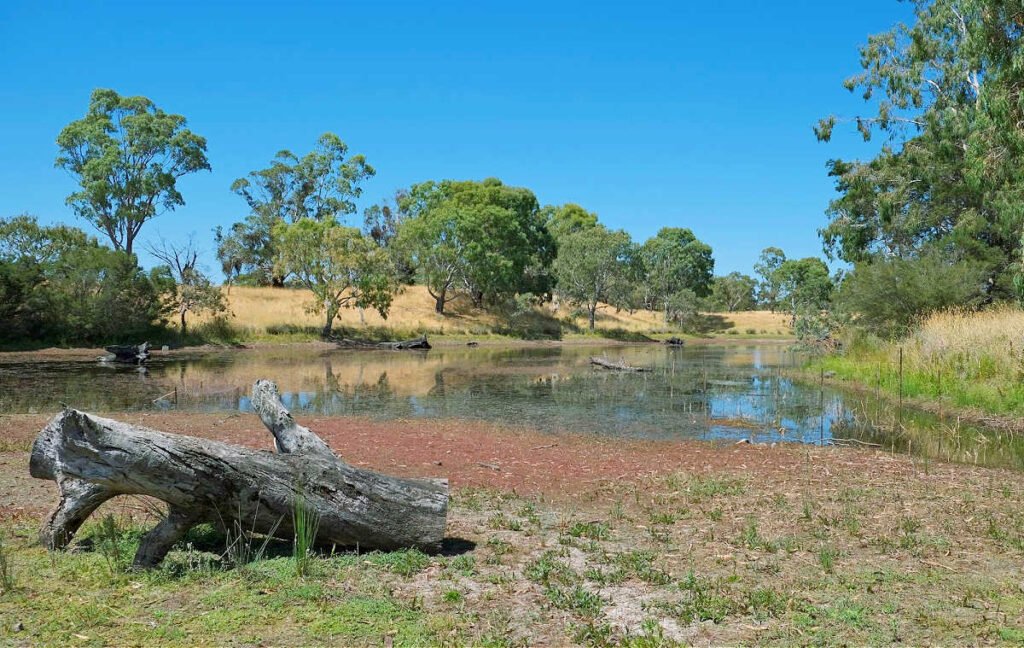
Plenty Gorge sits on Melbourne’s northern edge, but it never feels like a suburban park. Within minutes of leaving the streets behind, the landscape opens up into rolling grasslands, river flats, and sudden drops into rocky valleys carved by the Plenty River over thousands of years. It’s one of those rare places where the city disappears quickly, replaced by wind, birds, and wide sky.
I walked the section that’s north of Gorge Road. You can also walk to the south of this road to check out the Blue Lake and Tanunda Wetlands. The distance is fairly similar, whichever way you go.
Walk with me in the video below.
Getting There
In under an hour from Melbourne’s CBD, you can step off the Mernda train line at Hawkstowe Station and walk towards Wilton Vale Road. This leads into the park’s northern end. It’s one of Melbourne’s more convenient wilderness escapes.
If you’re driving, the Red Gum Picnic Area on Gordons Road is an ideal starting point. There’s parking, toilets, and easy access to several walking tracks.
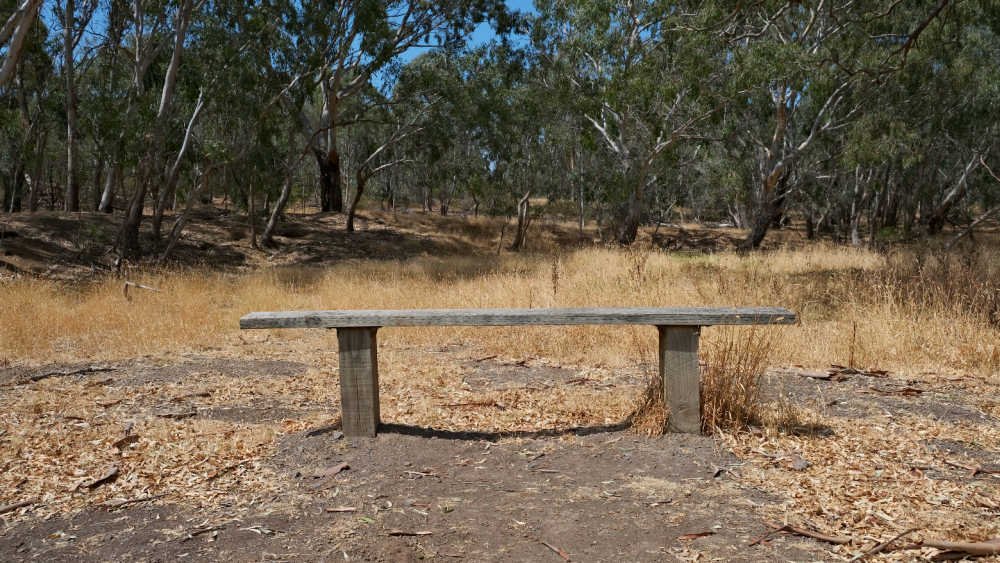
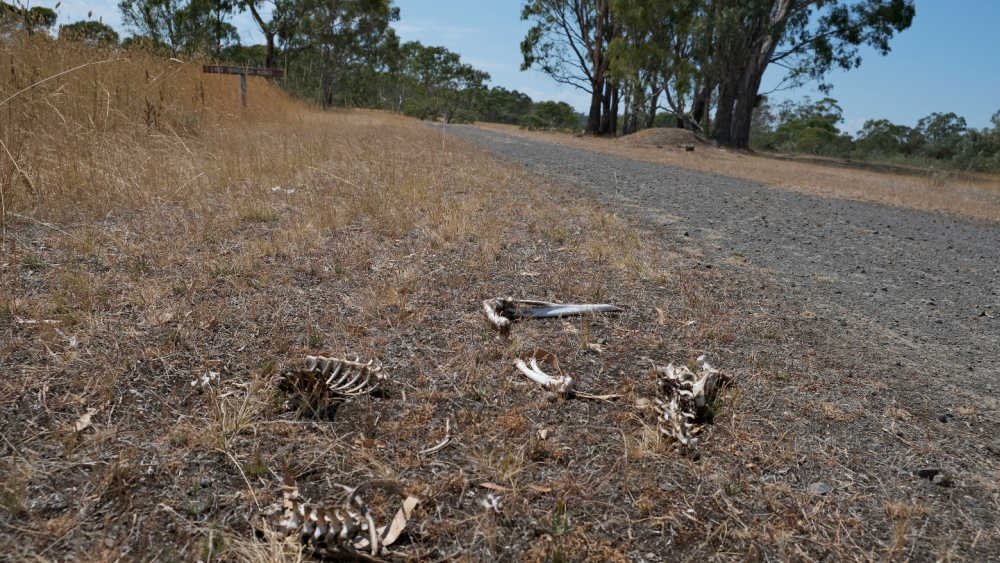
The park covers around 1,350 hectares and follows the Plenty River for roughly 11 kilometres. Along the way, it connects several key areas including Hawkstowe, Yarrambat, Middle Gorge, Nioka Bush Camp, and Yellow Gum Recreation Area. Despite its size, the trails are well maintained and easy to follow.
Here’s a map to show you where I walked.
On The Go Map
Walk Difficulty: Easy
Most of the main walking paths are gentle, with gradual slopes rather than steep climbs. It’s suitable for casual walkers, families, and anyone looking for a relaxed outdoor escape without committing to a full-day hike.
What makes Plenty Gorge interesting is how quickly the surroundings change. One moment you’re leaving a major highway, next minute you’re walking through open grassy woodlands dotted with gum trees.
Wildlife Everywhere
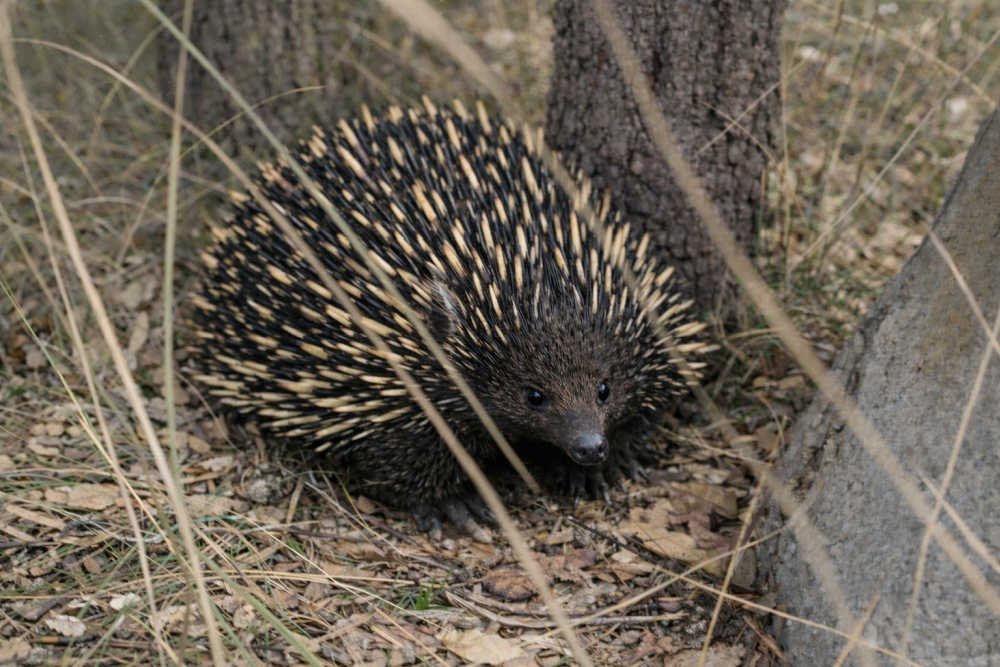
If you visit in spring, or after a period of rain, the park feels especially alive. Wildlife is one of the highlights here, and sightings are common rather than rare, even in the hottest summer weather.
You might see:
- Echidnas slowly working their way through the grass
- Large eastern grey kangaroos grazing in open fields
- Black swans and egrets along the riverbanks
- Lizards darting across the path
- Snakes sunning themselves in warmer months
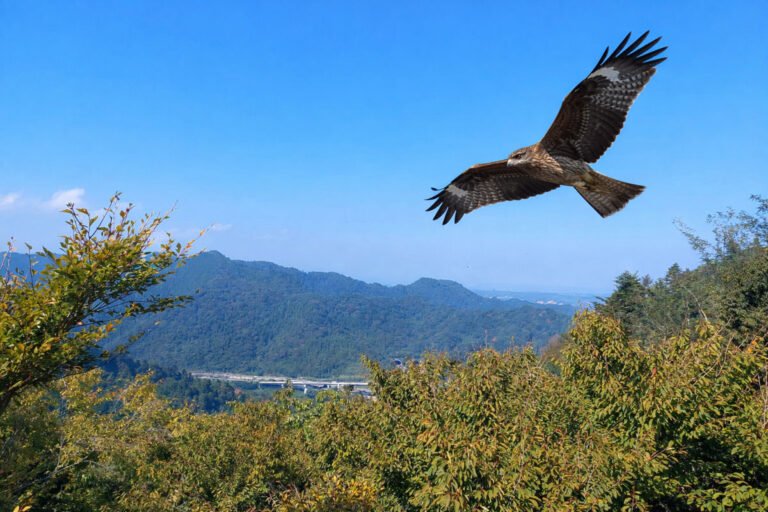
- A constant backdrop of birdlife overhead
What the Walk Feels Like
The trails aren’t dramatic in the traditional sense. There are no towering peaks or sweeping lookouts. Instead, the appeal comes from space and minimal people. For tourists used to packed European walking tracks and beaches, this will be a different experience.
Be prepared — in summer, it gets hot quickly. Bring plenty of water and aim for early morning or late afternoon when the temperature is more forgiving. There isn’t a lot of shade.